
Gum Disease in Preston: Warning Signs, Treatment Options and How to Protect Your Smile for Life
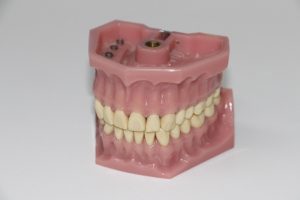
Most people brush their teeth every day without giving their gums a second thought. Yet gum health is arguably the most important foundation of a healthy, lasting smile. Gum disease is the leading cause of tooth loss in adults across the UK and it progresses silently for months, sometimes years, before most patients realise anything is wrong.
At Lifestyle Dental and Implant Clinic on Garstang Road in Fulwood, Dr Nadim Majid and his team treat gum disease at every stage, from the earliest signs of bleeding gums to advanced periodontal cases requiring specialist intervention. As part of our wider commitment to general dentistry in Fulwood, gum health sits at the very centre of every treatment plan we create.
This guide is written to help patients across Preston and Fulwood understand exactly what gum disease is, how to spot it early, what treatment looks like, and how protecting your gums today can save your teeth for decades to come.
What Is Gum Disease and Why Is It So Common?
Gum disease, clinically known as periodontal disease, is a bacterial infection of the gum tissue and supporting structures around your teeth. It begins when plaque, a sticky film of bacteria that constantly forms on the surface of your teeth, is not effectively removed through brushing and flossing. Over time, plaque hardens into calculus (tartar), which can only be removed by a dental professional.
The bacteria within this build-up release toxins that irritate and inflame the gum tissue. Left untreated, the infection spreads below the gum line, destroying the ligaments and bone that hold your teeth in place. The result, in its most severe form, is irreversible bone loss and ultimately tooth loss.
NHS figures suggest that approximately 45% of UK adults have some form of gum disease at any given time, making it one of the most widespread health conditions in the country.
The deeply concerning aspect of gum disease is how quietly it progresses. Pain is rarely a symptom until the disease has reached an advanced stage, which is why regular dental check-ups at a trusted private dentist in Preston remain the single most effective tool for early detection.
Gingivitis vs Periodontitis: Understanding the Stages
Gum disease exists on a spectrum, with gingivitis at the milder end and severe periodontitis at the advanced end. Understanding where on this spectrum you might fall is essential for knowing how urgently treatment is needed.
| Stage | What Is Happening | Common Symptoms |
| Gingivitis | Inflammation confined to gum tissue only. Fully reversible with professional cleaning and improved hygiene. | Redness, swelling, bleeding when brushing |
| Mild Periodontitis | Infection begins spreading below the gum line. Early bone loss is detectable. | Persistent bad breath, gum tenderness, slight recession |
| Moderate Periodontitis | Deeper pockets form around teeth. Significant bone loss underway. | Visible gum recession, tooth sensitivity, loose feel |
| Severe Periodontitis | Advanced bone destruction. Teeth become mobile and may require extraction. | Very loose teeth, deep pockets, severe pain or abscess |
The critical takeaway from this table is that gingivitis is entirely reversible. With a professional clean and a consistent home care routine, gum tissue can return to full health. Once the disease progresses to periodontitis, however, the bone and tissue loss that has occurred cannot be regenerated. Treatment at that stage is focused on halting further destruction rather than reversing what has already happened.
This is why early intervention at a practice like Lifestyle Dental is so genuinely important. Catching gum disease at the gingivitis stage means the difference between a straightforward hygiene appointment and years of ongoing management.
Seven Warning Signs of Gum Disease You Should Never Ignore
Because gum disease rarely causes pain in its early stages, patients must learn to recognise its subtler signals. The following symptoms should always prompt a visit to your dentist in Fulwood.
1. Bleeding When You Brush or Floss
This is the most universally overlooked symptom. Many patients dismiss bleeding gums as normal or a sign of brushing too hard. In reality, healthy gums do not bleed. Bleeding is your body signalling inflammation and infection in the gum tissue. It is almost always the very first sign of gingivitis and should be investigated promptly.
2. Persistent Bad Breath
Chronic halitosis that does not improve with brushing or mouthwash is frequently caused by the bacteria associated with gum disease. The odour comes from toxins produced by the bacteria living in infected pockets below your gum line. If mints and mouthwash provide only temporary relief, the root cause is almost certainly oral bacteria rather than diet or lifestyle.
3. Red, Swollen or Tender Gums
Healthy gum tissue is firm, pale pink, and fits snugly around the base of each tooth. Gums that appear dark red, feel spongy to the touch, or cause discomfort when you eat or press them gently are displaying classic signs of inflammation. This puffiness is caused by the body’s immune response to bacterial infection.
4. Receding Gums
If your teeth appear to be getting longer or gaps are forming between your teeth near the gum line, your gum tissue may be receding. Gum recession exposes the root surface of your teeth, increasing sensitivity to hot and cold foods and dramatically raising the risk of root decay. Recession is a sign that bacterial damage has already begun affecting the deeper supporting tissue.
5. Loose or Shifting Teeth
Teeth that feel mobile, wiggle when pressed, or seem to have shifted position are displaying a serious warning sign. Tooth mobility indicates that the bone and ligaments anchoring the tooth have been significantly weakened. Without treatment at this stage, tooth loss becomes a very real possibility in the short term.
6. Sensitivity to Hot and Cold
As gum recession exposes root surfaces, patients often notice a sharp, sudden sensitivity when consuming cold drinks, hot food, or sweet items. While sensitivity has multiple causes, its appearance alongside any of the other symptoms listed here points strongly toward gum disease.
7. Pus Between Teeth and Gums
The appearance of pus around the gum line, or a bad taste in the mouth that persists despite brushing, signals a dental abscess or active infection within a periodontal pocket. This requires urgent professional attention and should not be left untreated for more than a day or two.
Who Is Most at Risk of Developing Gum Disease?
While gum disease can affect anyone, certain factors significantly increase a person’s susceptibility. Being aware of your personal risk profile helps you take a more proactive approach to your gum health.
- Smoking and tobacco use: Tobacco reduces blood flow to the gums and suppresses the immune system, making smokers significantly more likely to develop severe periodontitis and less likely to respond well to treatment
- Type 1 and Type 2 diabetes: High blood sugar impairs the body’s ability to fight infection and slows healing, creating an environment where gum bacteria thrive
- Hormonal changes: Pregnancy, the menopause, and puberty all alter the way gum tissue responds to plaque, temporarily increasing susceptibility
- Certain medications: Drugs that cause dry mouth reduce saliva production, removing one of the mouth’s natural defences against bacteria
- Stress: Chronic stress weakens the immune system and has been directly linked to more rapid progression of periodontal disease
- Genetics: Some individuals are inherently more susceptible to gum disease regardless of their oral hygiene habits, making regular check-ups even more critical
- Misaligned or crowded teeth: These create areas that are difficult to clean effectively, allowing plaque to accumulate in hard-to-reach pockets
Gum Disease Treatment at Lifestyle Dental in Fulwood
At Lifestyle Dental, gum disease treatment is approached with the same precision and personalised care that defines every aspect of our practice. Whether you are attending for a routine hygiene check or returning with concerns about recession or bleeding, our experienced dental team in Fulwood will assess your gum health thoroughly and design a treatment pathway matched to your exact clinical needs.
Professional Scale and Polish
For patients with gingivitis or early gum concerns, a thorough scale and polish by our hygiene team removes all accumulated plaque and tartar from the tooth surfaces and just below the gum line. This appointment also includes oral hygiene instruction tailored to your specific brushing habits, so you leave equipped with the knowledge and technique to maintain the results at home.
Root Surface Debridement
For patients diagnosed with periodontitis, a deeper procedure known as root surface debridement is required. Using fine specialist instruments, the dental team carefully removes bacterial deposits from the root surfaces that lie within periodontal pockets beneath the gum line. This is carried out under local anaesthetic, ensuring the process is completely comfortable. The aim is to create a clean, smooth root surface that is far more resistant to bacterial reattachment.
Ongoing Periodontal Maintenance
After active periodontal treatment is complete, a structured maintenance programme is established. This typically involves hygiene appointments every three to four months rather than the standard six-monthly interval, monitoring pocket depths at each visit and reinforcing home care habits. Long-term maintenance is clinically proven to be the most effective way to prevent recurrence and preserve the bone that remains.
When Gum Health and Cosmetic Dentistry Overlap
Gum disease is not the only reason patients seek treatment for their gum tissue. Some patients have perfectly healthy gums but are unhappy with the way their gum line looks, whether that is an uneven contour, excessive gum display when smiling, or asymmetry that makes teeth appear different sizes.
This is where gum contouring in Fulwood becomes relevant. Using advanced laser technology, Dr Majid can gently and precisely reshape the gum line to create a more balanced, symmetrical frame for your smile. Patients who have a gummy smile, where too much gum tissue is visible above the teeth when smiling, often find that gum reshaping delivers a dramatic improvement in their overall smile aesthetics.
It is worth noting that gum contouring is only ever performed on healthy gum tissue. Any active infection or inflammation must be fully resolved before cosmetic reshaping takes place, which is another reason comprehensive gum health assessment always precedes aesthetic treatment at Lifestyle Dental.
The Connection Between Gum Health and Your Overall Wellbeing
Research over the past two decades has established increasingly strong links between periodontal disease and systemic health conditions. The mouth is not isolated from the rest of the body, and the inflammation and bacteria associated with gum disease can enter the bloodstream and contribute to conditions elsewhere.
- Heart disease: Multiple studies have found that people with periodontal disease have a significantly elevated risk of cardiovascular events including heart attack and stroke. The precise mechanism is still being studied but chronic systemic inflammation is believed to be a key factor
- Diabetes: The relationship between gum disease and diabetes is bidirectional. Poorly controlled diabetes worsens gum disease and, in turn, active periodontal infection makes blood sugar harder to control
- Respiratory conditions: Bacteria from infected gum pockets can be inhaled into the lungs, contributing to pneumonia and worsening existing respiratory disease
- Pregnancy complications: Pregnant women with untreated gum disease have a statistically higher risk of premature birth and low birth weight
- Cognitive decline: Emerging research suggests a potential link between the bacteria associated with periodontitis and an increased risk of developing Alzheimer’s disease, though this area of research is still developing
Treating gum disease is not just about protecting your teeth. It is about protecting your broader health. A healthy mouth contributes to a healthier body across the board.
Preventing Gum Disease: Daily Habits That Make a Real Difference
The good news is that gum disease is largely preventable. A consistent and informed daily oral hygiene routine, combined with regular professional care, is highly effective at keeping the gum-damaging bacteria in check.
Brush for Two Full Minutes, Twice a Day
Use a soft-bristled manual or electric toothbrush and ensure you angle the bristles toward the gum line to disrupt the plaque that forms at this critical junction. Most electric toothbrushes have built-in timers, making it easier to ensure you are brushing for the full recommended duration.
Floss or Use Interdental Brushes Daily
Approximately 40% of each tooth’s surface lies in the spaces between teeth, areas that a toothbrush simply cannot reach. Interdental cleaning with floss, interdental brushes, or a water flosser disrupts the plaque in these hidden spaces and is one of the most impactful things you can do for your gum health every single day.
Use an Antibacterial Mouthwash
A fluoride or chlorhexidine-based mouthwash used once daily, ideally at a different time to brushing, provides an additional layer of antibacterial action and helps reach areas that brushing and flossing may still miss.
Attend Regular Hygiene Appointments
No matter how diligently you brush and floss at home, calculus deposits will accumulate over time in areas that are difficult to reach. Regular professional cleaning at a trusted practice, combined with ongoing cosmetic and preventive dentistry in Fulwood, ensures that any early signs of gum disease are caught and addressed before they progress.
What Lifestyle Dental Patients Say About Their Gum Care
The most meaningful indicator of quality dental care is the experience of real patients. Here is what some of the people who have sought gum treatment and hygiene care at Lifestyle Dental have shared.
“I had been avoiding the dentist for years because I was embarrassed about my gums. The team at Lifestyle Dental were so kind and non-judgemental. Within a few months my gums had completely turned around. I wish I had come sooner.”
“Dr Majid spotted gum disease at a check-up that I had no idea I had. No pain, no obvious signs. He explained everything clearly and the treatment was so much more straightforward than I feared.”
“The hygienist here is brilliant. She spent time showing me exactly where I was going wrong with my technique and my gums have never been healthier. I actually enjoy my check-ups now.”
Do Not Wait for Pain. Book Your Gum Health Check Today
Gum disease is not inevitable and it is not something you simply have to live with. When caught early it is entirely reversible. When treated professionally it can be stabilised and managed for life. The key is acting before it becomes an emergency rather than after.
Whether you have noticed bleeding gums, bad breath, or sensitivity, or whether you simply cannot remember the last time you had a professional clean, now is the right time to make an appointment at Lifestyle Dental in Fulwood. Early action today protects your teeth, your health, and your smile for decades to come.
Book your consultation NOW
 Why Dental Implants in Fulwood Are the Gold Standard — and How They Could Change Your Life
 Transform Your Smile With Aesthetic Dentistry in Fulwood
 Preston Family Dental Care Clinic


