
Have you ever looked in the mirror and wished for a straighter smile? Maybe you have a few gaps in your teeth you’re not happy with? You’re not alone. Many people long for orthodontic improvements but are put off by the thought of traditional braces and lengthy treatments.
Fortunately, Lifestyle Dental offers an innovative solution that can transform your smile in just six months! Read on to find out more.
Six months smile at Lifestyle Dental
At Lifestyle Dental, we understand that time is precious. That’s why we’re proud to offer these clear and discreet braces, a groundbreaking approach to teeth straightening that significantly reduces treatment time.
Unlike traditional braces that can take two years or more to achieve results, our fast orthodontics solutions can deliver your perfect smile in as little as six months!
They are safe, comfortable, and provide quick results. Most patients finish around 6 months, but treatment times may range from 4 – 9 months.
Using proven techniques and materials, the braces have been specifically designed for adults with crooked, spaced, or misaligned teeth.
Book your free consultation today.
Customised treatment for your unique smile
Every smile is unique, and so is every treatment plan at Lifestyle Dental. Our experienced orthodontists use state-of-the-art technology to create customised treatment plans that align with your individual needs and aesthetic goals.
Whether you’re dealing with crowded teeth, gaps, or misalignment, our six months smile treatment is designed to tackle these issues efficiently and effectively.
“I went to my consultation with an idea of what I wanted, and what I finished with was far better than I hoped. To say that I’m a perfectionist is an understatement, but Nadim and the team worked with me to make sure I was completely happy throughout.” – Mollie
The benefits of choosing our six months smile treatment
- Speed: Achieve your dream smile in a fraction of the time compared to traditional braces.
- Discretion: Our solutions are designed to be less noticeable, giving you the confidence to smile even during treatment.
- Comfort: Modern technology and materials make the experience more comfortable than traditional orthodontics.
- Convenience: Fewer visits to the dentist mean less disruption to your busy lifestyle.
- Results: Enjoy a beautiful, straight smile that boosts your confidence and oral health.
Your journey to a perfect smile begins here

Don’t let the cost of treatment prevent you from getting the smile you’ve always wanted. Our low interest finance makes it easier for you by spreading the cost.
You will need to complete a simple, online credit application, which one of our staff can help you with. The information is then transmitted to the lender immediately and a reply is usually received by return. You can then either sign a credit agreement that we print for you, or have it emailed for you to complete at home. If you need any advice – don’t hesitate to ask!
Take the first step today
Don’t let another day go by wishing for a better smile. Contact Lifestyle Dental to schedule a consultation and discover how our fast orthodontic solutions can transform your smile in just six months. Visit our site for more information and to get in touch, fill out our quick and easy form. Your dream smile is closer than you think!
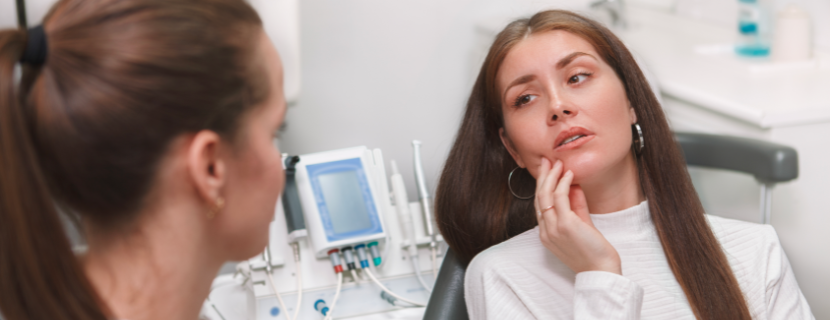
Dental emergencies can strike at the most inconvenient times. Whether it’s a sudden, sharp pain in the middle of the night or a chipped tooth just hours before a big event, such predicaments require immediate attention.
If you’re in Preston and find yourself facing a dental crisis, there’s no need to panic. Lifestyle Dental offers dedicated emergency services to address your urgent dental needs.
Lifestyle Dental: Preston’s premier emergency dentist service
What sets Lifestyle Dental apart is not just our ability to provide high-quality, immediate emergency dental care, but also our dedication to patient comfort and care. Our team is especially experienced in treating nervous patients, ensuring they feel at ease and comfortable throughout their visit. It’s no wonder many residents consider us the go-to emergency dentist in Preston.
When to reach out for our emergency services:
- Distressing holes in teeth? We’ve got you covered.
- Dislodged or missing crowns and bridges? We’re here for you.
- Experiencing swelling, trauma, or have you chipped a tooth? No worries.
- Concerns about implants? Our expert implant dentist is ready to assist.
Book your slot today
Don’t let dental emergencies stress you out, we’re here to provide rapid relief. Secure your spot today, call for on-the-day emergency slots or pre-book for Monday’s clinic.
Why Lifestyle Dental is Preston’s first choice
- Empathy for Nervous Patients: We understand that dental emergencies can be even more stressful for nervous patients. Our expert team focuses in calming techniques, and our clinic has a serene environment that puts even the most anxious patients at ease. If you’re looking for emergency dentists for nervous patients in Preston, your search ends here.
- Priority to Members: Lifestyle Dental members get the advantage of same-day treatment with no hidden charges.
- Swift and Expert Care: Get immediate relief with our experienced professionals. Dr. Majid (Nadim) attends to all emergencies, while Dr. Prescott (Jonathon) is the expert for Monday’s pre-booked emergencies.
- Upfront Pricing:
- £86 for assessment, x-rays, antibiotics and a treatment plan for further treatment on the tooth in question.
- A flat fee of £200 for all of the above, plus treatment on the same day, such as simple extraction, simple permanent white filling, tightening of implant screws.
We now have 2 levels of emergency appointments depending on your needs – you will be triaged appropriately by our experienced reception staff.
Don’t wait – Address your dental emergency today!

We are just a call away. Whether you need an immediate appointment or wish to schedule a session for Monday, reach out to us at 01772 717316. Please remember, appointments are a must, and only local anaesthetics are provided during emergency visits.
Introducing your emergency dentists in Preston
Dr. Majid (Nadim)
Beyond being an emergency dentist, Nadim is a committed dental surgeon with an impressive academic background. He has a Master’s Degree in Implantology from Uclan and is proficient in sedation, hypnotherapy, and aesthetic treatments.
Dr. Prescott (Jonathon)
Handling pre-booked emergencies on Mondays, Dr. Prescott ensures that every patient receives the best care possible.
Dental emergencies don’t wait, and neither should you. At Lifestyle Dental in Preston, we prioritise your comfort and care, ensuring rapid relief for your dental woes. Secure your appointment today and experience the difference.

We’re super excited to share something special with you – this year it’s Lifestyle Dental’s 15th birthday! That’s 15 years of taking care of teeth, making people smile, and being a part of this wonderful community.
Let’s take a walk down memory lane and celebrate all the great things we’ve achieved together.
Dr. Majid’s Big Achievements
First up, let’s talk about our principal dentist, Dr. Majid, the heart and soul of our clinic. He worked hard and got a degree in Implantology. Because of him, we turned our clinic into a place for dental implants. But Dr. Majid didn’t stop there; he spent over £300k on learning new things and getting cool tools so that our patients get the best care.
Our Awesome Team
We’re more than just a clinic; we’re a dental family. Meet our stars:
- Dr. Nadim and our new friend, Dr. Prescott, are our fantastic dentists who make sure your visits are comfortable and your smiles are bright.
- Jade and Hannah, our hygiene therapists, are like tooth fairies making sure your teeth stay clean and healthy.
- Ramin, the man behind those perfect cosmetic dentures, works his magic in the lab.
- And let’s not forget Jenna, Naomi and Katie, our super nurses, who make sure you feel calm and safe during your visits.
Find out more about our team of experts.
State-of-the-art technology
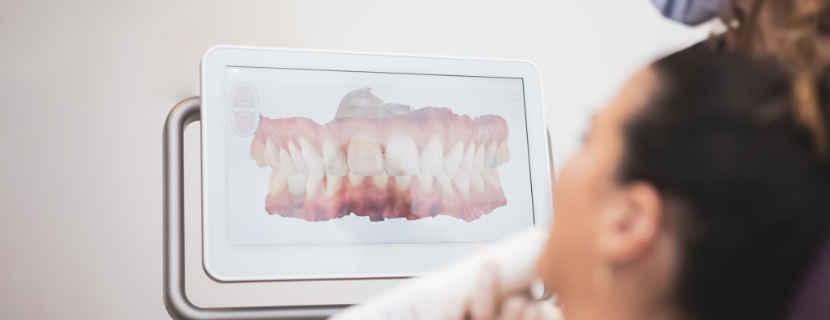
We love using the latest tools in digital dentistry to make your dental visits better! We have things like the ModJaw, which helps us see how your jaw moves, the CBCT Machine that lets us look at your teeth in 3D, and the T-Scan that checks how your teeth come together. All these tools help us take really good care of your teeth.
Discover how our digital technology helps to improve your patient experience.
Your Stories, Our Pride
The best part of our job? Your happy stories! When you leave our clinic with a big smile, it makes our day. Here’s some of our reviews from our 15th year:
“After fearing dentists for years I am so glad I contacted Lifestyle to start my journey to have dental implants. The care and support Nadim and his team gave me was second to none. They always put me at ease and made me feel comfortable. I would highly recommend Lifestyle to anyone thinking of having implants. I can honestly say I no longer have a fear of dentists. Thank you to all.”
“I had my top and bottom teeth done here. I still had baby teeth, they were full of gaps and really crooked. I hated anyone seeing them – even dentists – everyone at Lifestyle Dental was really friendly and helpful. I love the final look of my teeth. They are very natural and the whole experience was painless.”
“The ‘Lifestyle Dental and Implant Practice’ in Preston is first class. All the members of staff are really helpful, kind, considerate and very professional. Nothing is ever too much trouble. Thank you everyone for taking such good care of me.”
So, What’s Next?
We’re not stopping here! We’ve got big plans to bring even more stuff to our clinic and keep making our services better for you. We’re always learning and trying to improve, because you deserve the best.
A huge shout-out to all of you – our amazing patients and friends in the community. You’ve been with us every step of the way, and we couldn’t have done it without you.
Thanks for being part of our 15-year journey. Here’s to many more years of looking after your dental health and seeing your beautiful smiles!

As concerns for our planet’s health intensify, every industry, including dentistry, is exploring innovative ways to reduce its environmental impact.
Green dentistry, sometimes referred to as ‘eco-dentistry’, represents an exciting convergence of healthcare and environmental stewardship. But what exactly does this mean, and how can adopting green dentistry principles make a significant difference? Let’s dive in.
What is Green Dentistry?
Green dentistry is an approach that minimises the environmental impact of a dental practice. This not only includes the use of sustainable materials and methods but also involves eco-friendly practices in waste disposal, energy conservation, and patient care.
Benefits of Green Dentistry
- Reduced Waste and Pollution
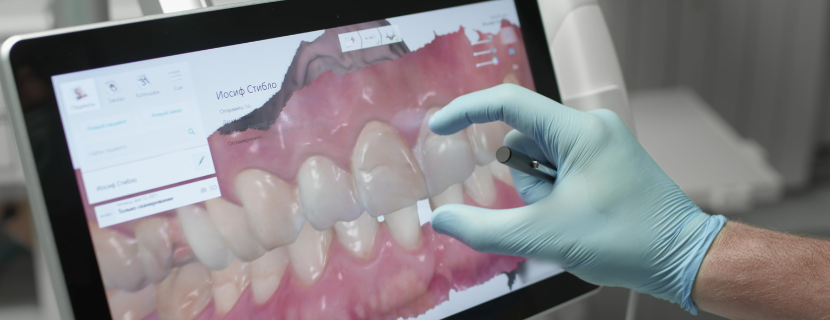
- Traditional dental practices produce a significant amount of waste, from disposable bibs to plastic toothbrushes. Green dentistry advocates for biodegradable or recyclable alternatives. Further, by using digital imaging instead of traditional X-rays, harmful chemicals and radiation can be reduced.
- Energy and Water Conservation
- Modern green dental practices are installing devices to reduce water usage during treatments and utilise energy-efficient lighting and equipment, thus conserving vital resources.
- Modern green dental practices are installing devices to reduce water usage during treatments and utilise energy-efficient lighting and equipment, thus conserving vital resources.
- Healthier Work and Treatment Spaces
- Green dentistry often intersects with holistic dentistry. By choosing non-toxic materials for treatments and ensuring better indoor air quality, we provide a safer environment for both patients and staff.
At Lifestyle Dental, we use state-of-the-art digital dentistry to help enhance the experience for our patients, as well as helping to reduce our environmental impact.
What are we doing to help green dentistry
- We’ve incorporated digital scanning technology, minimising traditional postage, and transitioned to paperless procedures using Clinipads for tablet-based patient consent.
- We prioritise the proper disposal of dental materials, especially plaster models and waste amalgam from metal fillings.
- We collaborate with eco-conscious companies like TePe, which is actively converting its products and packaging to recyclable materials.
- Supporting innovations in sustainability, we back TePe’s initiatives in using plastic substitutes like bamboo. Learn more about their commitment here.
How can you play a part?
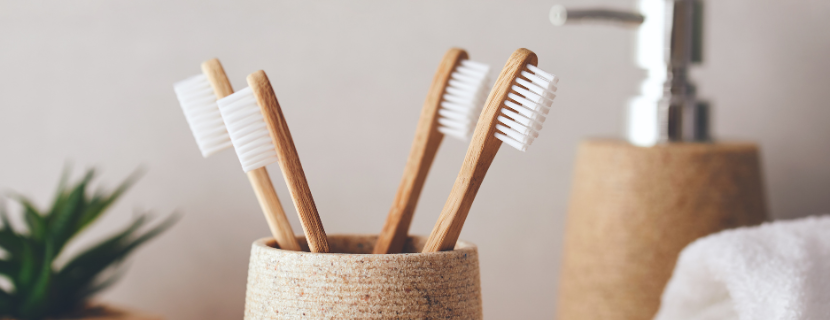
Beyond the clinic, personal choices also make a difference. Embracing sustainable dental routines by switching to bamboo toothbrushes, organic toothpastes, and other green dental products can make a marked difference in our daily environmental footprint.
Additionally, the ripple effect of education cannot be underestimated. Much like all environmental endeavours, the more informed individuals become, the more profound the collective effect. By sharing insights and knowledge about green dentistry with friends and family, we can amplify the movement towards a more sustainable future in dental care.
The Future is Green
While the dental industry’s overall carbon footprint might be a fraction of larger sectors, every bit counts. By integrating green practices, dentistry can play its part in a global movement towards sustainability. Green dentistry doesn’t just promise a brighter smile but a brighter future for our planet.
At Lifestyle Dental, we’re committed to pioneering such practices, ensuring that our pursuit of oral health goes hand in hand with the health of our Earth. Join us in this mission and let’s pave the way for a greener future together.
Need a dental appointment in Preston? Book your free consultation today. If you have any questions about green dentistry, feel free to ask a member of our team.
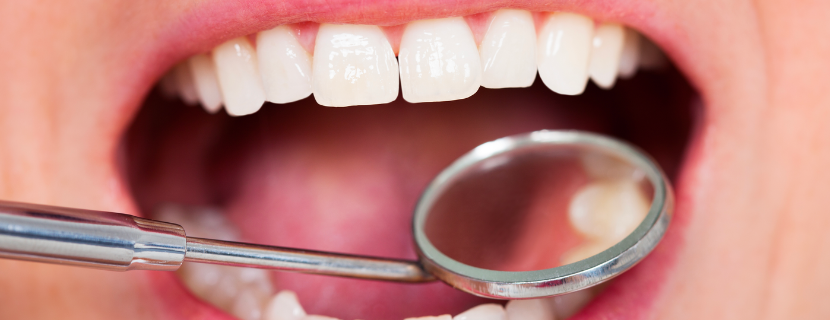
Dental decay can lead to cavities, affecting the health and appearance of your teeth. Many people suffer from this but fortunately, with advancements in cosmetic dentistry, white fillings have emerged as an excellent option for restoring decayed teeth.
84% of dentate adults (those with at least one tooth) have a filling. At Lifestyle Dental in Preston, we offer white fillings to help you achieve a natural-looking smile. In this blog, we will discuss everything you need to know about white fillings, including their benefits, procedure, and the advantages of replacing old silver amalgam fillings.
Understanding dental decay
Dental decay occurs when the enamel and dentin of a tooth become softened by an acid attack, resulting in cavities. To address this issue, our cosmetic dentist can remove all the decay from the affected tooth and restore it with a white filling.
Unlike traditional silver amalgam fillings, white fillings are tooth-coloured and blend seamlessly with your natural teeth, providing a more aesthetically pleasing result.
The benefits of white fillings
- More discreet – White fillings are designed to match the shade of your natural teeth, ensuring a virtually invisible restoration. This makes them an ideal choice for visible areas, such as the front teeth, where appearance matters.
- Versatile – They are suitable for both small and moderate-sized cavities, offering a versatile solution for various dental issues. They can be used to repair chipped, cracked, or decayed teeth, restoring their functionality and appearance.
- Preserve tooth structure: They bond directly to the tooth structure, allowing for more conservative preparations. This means that less healthy tooth structure needs to be removed, preserving as much of your natural tooth as possible.
- Reduce sensitivity: They have thermal properties similar to natural teeth, reducing the risk of temperature-related sensitivity that can occur with other filling materials.
Replace your old fillings with white fillings
White filling materials are stronger and more durable than others, providing long-lasting restorations. Book your free consultation today to find out more.
Our white filling procedure
The process of getting a white filling typically involves the following steps:
- Our cosmetic dentist will examine your teeth, identify the areas of decay, and determine if white fillings are the best treatment option for you.
- Local anaesthesia may be administered to ensure your comfort throughout the procedure. This numbs the area being treated, ensuring a painless experience.
- The dentist will remove all decayed portions of the tooth, ensuring a clean surface for the filling.
- The white filling material, usually composite resin or porcelain, is applied in layers and shaped to match the natural contours of your tooth. A special light is used to harden the filling material, ensuring a strong bond with the tooth.
- Once the filling is set, the dentist will polish it to achieve a smooth and natural appearance, blending seamlessly with your surrounding teeth.
Replacing old silver amalgam fillings
In addition to providing white fillings for new cavities, Lifestyle Dental Clinic also offers the option of replacing old silver amalgam fillings with tooth-coloured fillings. Many individuals feel self-conscious and held back by visible silver amalgam fillings, which can affect their confidence and hinder them from fully expressing themselves. With white fillings, you can experience more than just a functional restoration; you can enjoy a significant boost in self-confidence.
Whether you need a new filling for a cavity or want to replace your old silver amalgam fillings, our experienced dentists at Lifestyle Dental Clinic are here to help.
If you’re ready to enhance the appearance of your smile and restore your teeth with white fillings, contact us today.